Mohammad Farid Mosleh graduated with an MS in Iranian Architectural Studies from the University of Tehran. His studies are focused on the history and historiographies of Iranian contemporary cities and spaces. Relational politics matters in his works, as he seeks the relationship between unseen spatial agencies and infrastructures with classic sites of power to present new narratives.
2025
Fragmented: Highways and the Failure of the Abbasabad Project in Tehran [English]

Abbasabad is one of the largest symbolic political urban projects in contemporary Iran, covering over 5.5 million square meters. Despite its constant political significance since the 1960s and envisioning six exclusive master plans during two regimes, the project faced considerable delays and devastating fragmentation. While all the narratives attribute the unsuccessful history in Abbasabad to macropolitical drawbacks, this study traces the failure by focusing on the emergence of an unseen, non-discursive, and non-human actor. This actor is the highway, which is present throughout Abbasabad and divides the announced official project into several regions, each with its distinct functions and visions. Because the project is ultimately a loss, its history of failure matters more than the official narratives represented in the master plans. Using the Foucauldian genealogical approach and shifting from the notion of politics to relational politics given in ANT, highways emerge as actors with different roles and significant impacts, evolving and interacting unstoppably with Abbasabad. This narrative takes a more grounded perspective, indicating that highways have influenced the master plans, not vice versa. Moreover, politicians had the opportunity to consider such factors; however, macropolitical forces belittled them by pursuing mega-scaled integrated concepts.
از هم گسیخته: بزرگراهها و شکست پروژهی عباسآباد در تهران
عباسآباد یکی از بزرگترین پروژههای نمادین سیاسیِ شهری در ایران معاصر است که مساحتی بیش از ۵.۵ میلیون متر مربع دارد. علیرغم اهمیت سیاسی آن از دههی ۱۳۴۰ و تدوین شش طرح جامع ویژه در دو رژیم سیاسی مختلف، این پروژه با تأخیرهای قابلتوجه و از همگسسیختگی مخربی مواجه شده است. با وجود اینکه که تمامی روایتها تاریخچهی ناموفق اراضی عباسآباد را به کاستیهای کلانِ سیاسی نسبت میدهند، در این پژوهش، فهم این شکست با تمرکز بر یک کنشگر نادیده، ناگفتمانی و غیرانسان انجام گرفته است؛ کنشگری به نام بزرگراه در سراسر پروژه حاضر است و طرح رسمی فعلی را به مناطق متعددی تقسیم کرده است که هر یک از این مناطق کارکردها و چشماندازهای متفاوتی دارند. از آنجا که رویهمرفته این پروژه یک شکست به شمار میآید، تاریخچهی شکست آن مهمتر از روایتهای رسمی دیگری است که در طرحهای جامع بازنمایی شده است. با بهرهگیری از رویکرد تبارشناسی فوکویی و گذار از مفهوم سیاست به سیاستِ نسبتمند بر اساس نظریهی کنشگر-شبکه، بزرگراهها بهعنوان کنشگرانی ظهور میکنند که نقشهای مختلف و تأثیراتی مهم بر شکلگیری اراضی عباسآباد دارند و به شکل مداوم با اراضی عباسآباد تعامل داشته و تکامل یافتهاند. این روایت از دیدگاهی زمینهگراتر برخوردار است و نشان میدهد که بزرگراهها بر طرحهای جامع مؤثر بودهاند و نه برعکس. افزون بر این، با وجود اینکه سیاستمداران فرصتهایی برای در نظر داشتن عوامل اینچنینی داشتهاند، اما نیروهای کلانسیاسی با دنبالکردن کانسپتهای یکپارچه در مقیاس عظیم، آنها را نادیده گرفتند.
Mosleh, M. F. (2025). Fragmented: highways and the failure of the Abbasabad project in Tehran. Planning Perspectives, 40(4), 927–952. https://doi.org/10.1080/02665433.2024.2436144
The Monarch's Spatial Accessibility: Examining Six Mirrors for Princes in the Medieval Islamic Period [English/Farsi]
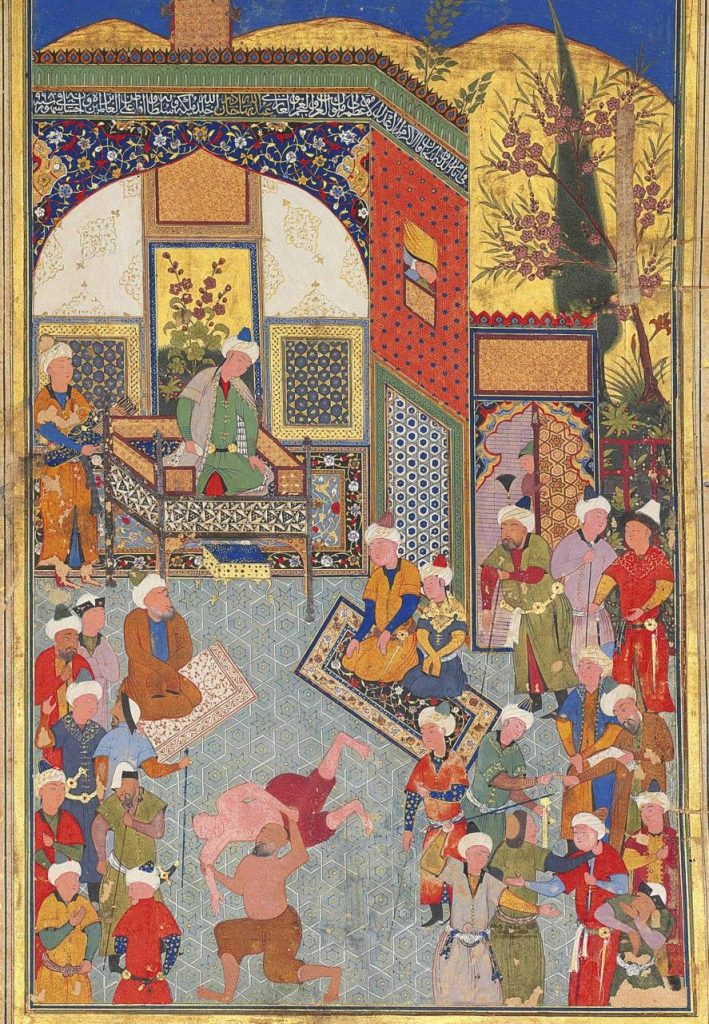
Problem statement: In contemporary architecture and urban planning, accessibility is recognized as a value, and in the politics of space, it refers to the accessibility of political–social public spaces and the right to the city. Given that contemporary spatial and political frameworks primarily originate from Western theories and practices, this study investigates the notion of accessibility within the historical context of spatial politics in Iran.
Research objectives: This research examines the necessity and mechanisms of accessibility to the king during the Islamic Middle Ages. This period, often regarded as the Islamic Golden Age, produced significant theoretical works in which political thought evolved dynamically in tandem with political power.
Research method: Six mirrors for princes from the Islamic medieval period—namely Qabus-nama by Unsur al-Ma’ali, Siyasat-nama by Nizam al-Mulk, Nasihat al-Muluk by Ghazali, Tuhfat al-Muluk, Akhlaq-i Nasiri by Nasir al-Din Tusi, and Mirsad al-Ibad by Najm Razi—were analyzed. The aim was to extract micro-level mechanisms and patterns of spatial accessibility, reflecting a micro-narrative of the political elites’ ideals of that era.
Conclusion: The mirrors for princes aimed to sustain the regime, not mirror modern state–citizen relations. Nevertheless, shifting focus from the essence to modes of accessibility reveals discursive changes in the mirrors for princes. A linear reading shows the texts evolved beyond simple petitioning. For instance, two texts—Siyasat-nama and Nasihat al-Muluk —explicitly reference spatially grounded models of accessibility, drawing on narratives from early Islam and pre-Islamic Iran. Later mirrors for princes place greater emphasis on the populace and on the signifier of beneficence alongside justice. In practice, benevolence toward the people created conditions that highlighted accessibility. The peak of this emphasis appears in Mirsad al-Ibad, where accessibility is regarded as equivalent to justice and, rather than being merely a virtue, is considered a defining attribute of the Shah.
بیان مسئله: دسترسپذیری در معماری و شهرسازی معاصر بهعنوان یک ارزش شناخته میشود. از آنجا که الگوهای فضامند و سیاسی امروزی برگرفته از نظریات و تجربیات تاریخی غربی است، در این تحقیق کوشش شده تا انگارۀ دسترسپذیری در بستر تاریخی سیاستِ فضا در ایران جستوجو شود.
اهداف پژوهش: هدف این تحقیق بررسی ضرورت و چگونگی دسترسپذیری عموم مردم به شخص شاه در دورۀ میانۀ اسلام است. قرون میانه، عصر طلایی اسلامی است که دانش نظری سیاسی همپا با قدرت سیاسی پویایی داشته است.
روش پژوهش: در این تحقیق، متن شش سیاستنامۀ دورۀ میانۀ اسلام، یعنی قابوسنامۀ عنصرالمعالی، سیاستنامۀ نظامالملک، نصیحهالملوک امام محمد غزالی، تحفهالملوک، اخلاق ناصری نصیرالدین طوسی و مرصادالعباد نجم رازی توجه شده است. هدف از مطالعۀ این منابع دستهاول، استخراج تجویزها و دستوراتی است که الگوها و سازوکارهای دسترسپذیری شاه را در سطح خُرد توضیح میدهند و یک خردروایت مطلوب از نخبگان سیاسی آن زمانه را بازتاب میدهد.
نتیجهگیری: اگرچه حکمتِ عملی سیاستنامهها توصیههایی برای تطویلِ عمرِ رژیم سیاسی استوار بود و همچنین ضروری است که به دور از زمانپریشی، از معادل انگاشتن نسبت رعیت به شاه با شهروندان معاصر به دستگاه سیاسی حاکم اجتناب کرد، اما در صورت پرسش از چگونگی بهجای چیستی، چند چرخش گفتمانی در سیاستنامهها نمایان میشود. سیاستنامهها، بهمنزلۀ ابزارِ تظاهر به توجیهِ مشروعیت، بهتدریج از سطحِ صرفِ تظلّمخواهی عبور کردهاند؛ چنانکه در سیاستنامه و نصیحهالملوک نمونههای فضامندِ ارجاعیافته به پیش از اسلام و صدر اسلام دیده میشود، با اینحال در سیاستنامههای متأخر از قرون میانه، محورِ رعیت و نیز دالِ احسان ــ در کنارِ دالِ عدالت ــ برجستهتر است. احسانِ به مردم بسترِ دسترسپذیری را فراهم میسازد و اوجِ این توجه در مرصادالعباد است؛ جایی که دسترسپذیری/ایتاء ذیالقربی همارزِ عدالت نهاده میشود و بهجای شمارشِ فضیلتها، «حالتِ شاه» را در نظر میگیرد.
From Secular to Sacred: Spatial Transformations of the Mosque and Mosalla of The University of Tehran From the Pahlavi Regime Until the Period of the Cultural Revolution in Post-Revolution [Farsi]
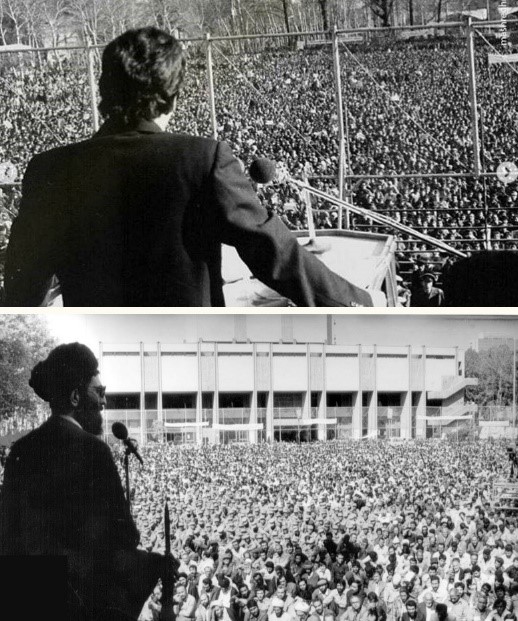
[Unofficial Translation] Although spatial politics did not explicitly figure among the stated priorities of the Cultural Revolution [After the Islamic Revolution (1980-1983)], tracing early post-revolutionary developments reveals a meaningful correlation between socio-political transformations and the physical restructuring of the university. The evolution of the prayer ground (mossalla/green field) and the central mosque of the University of Tehran illustrates how their spatial modifications unfolded in close relation to broader political shifts. A genealogical reading of these two sites—drawing on library and archival sources, written memoirs, and surviving visual materials—shows that their uses on the eve of the Islamic Revolution diverged markedly from practices during the Pahlavi era, signaling a fundamental reconfiguration of spatial appropriation. Moreover, an analysis of their symbolic, functional, discursive, and non-discursive layers indicates that both spaces underwent substantial transformations: from ceremonial–secular settings in the pre-revolutionary period into socio-political hubs during the revolutionary moment. Following the consolidation of the revolution and the onset of the Cultural Revolution, the sacred character of university religious spaces was increasingly emphasized, prompting measures aimed at safeguarding their sanctity.
با وجود آنکه سیاستِ فضا نمودی عیان در محوریتهای ابلاغی انقلاب فرهنگی نداشته، اما با ردگیری رویدادهای تاریخیِ اوایل انقلاب میتوان ارتباط معناداری بین تحولات اجتماعی-سیاسی با تحولات کالبدی دانشگاه جست. تحولات مصلا (زمینچمن) و مسجد دانشگاه تهران نشان میدهد که تغییرات فضایی آنها در نسبت معناداری با تغییرات سیاسی رقم خورده است. تبارشناسی این دو فضا از طریق منابع کتابخانهای و آرشیوی، خاطرات مکتوب و تصاویر بهجامانده نشان میدهد که بهرهبرداری از آنها در آستانهی انقلاب اسلامی نسبت به دورهی پهلوی دگرگون شده و فضا به شکل دیگری مورد استفاده قرار گرفته است. همچنین با تحلیل لایههای نمادین، کارکردی، گفتمانی و غیرگفتمانی مشخص میشود که هر دو فضا دچار تحولاتی ماهوی شده و از یک موقعیت تشریفاتی-سکولار در دورهی پیشاانقلابی به یک کانون اجتماعی-سیاسی در دورهی انقلابی تبدیل شدهاند. اما با تثبیت انقلاب و همزمان با وقوع انقلاب فرهنگی ماهیت مقدس فضاهای دینی دانشگاه مورد تأکید قرار گرفت و متعاقب آن، اقداماتی در جهت حفظ حریم مقدس آنها انجام شد.با وجود آنکه سیاستِ فضا نمودی عیان در محوریتهای ابلاغی انقلاب فرهنگی نداشته، اما با ردگیری رویدادهای تاریخیِ اوایل انقلاب میتوان ارتباط معناداری بین تحولات اجتماعی-سیاسی با تحولات کالبدی دانشگاه جست. تحولات مصلا (زمینچمن) و مسجد دانشگاه تهران نشان میدهد که تغییرات فضایی آنها در نسبت معناداری با تغییرات سیاسی رقم خورده است. تبارشناسی این دو فضا از طریق منابع کتابخانهای و آرشیوی، خاطرات مکتوب و تصاویر بهجامانده نشان میدهد که بهرهبرداری از آنها در آستانهی انقلاب اسلامی نسبت به دورهی پهلوی دگرگون شده و فضا به شکل دیگری مورد استفاده قرار گرفته است. همچنین با تحلیل لایههای نمادین، کارکردی، گفتمانی و غیرگفتمانی مشخص میشود که هر دو فضا دچار تحولاتی ماهوی شده و از یک موقعیت تشریفاتی-سکولار در دورهی پیشاانقلابی به یک کانون اجتماعی-سیاسی در دورهی انقلابی تبدیل شدهاند. اما با تثبیت انقلاب و همزمان با وقوع انقلاب فرهنگی ماهیت مقدس فضاهای دینی دانشگاه مورد تأکید قرار گرفت و متعاقب آن، اقداماتی در جهت حفظ حریم مقدس آنها انجام شد.